Column by Owen Oliver, Friends’ Writer in Residence
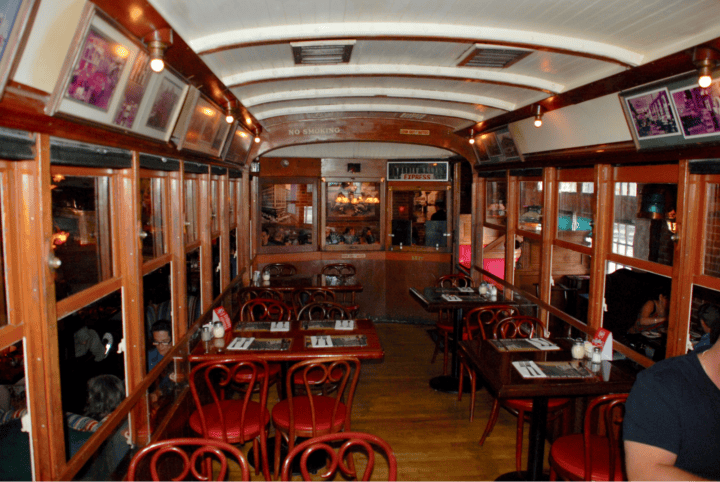
The first memory I have of the waterfront was across the train tracks at The Old Spaghetti Factory. The chain was formerly in the Ainsworth & Dunn Warehouse, which was designated a historic landmark more than a decade ago as the remnants of a salmon-packing warehouse. I didn’t know this at the time. I would probably have been more interested in that history, but I was drawn to the kitschy tram parked in the middle of the restaurant. As a young kid I felt like the tram transported you into another world. Eating in the exclusive enclosed space and peering out of the wooden windows propelled you back in time. The assorted faux Tiffany lamps glowed like stars in the low-lit room and the oversized meatballs looked like grainy asteroids if you squinted.
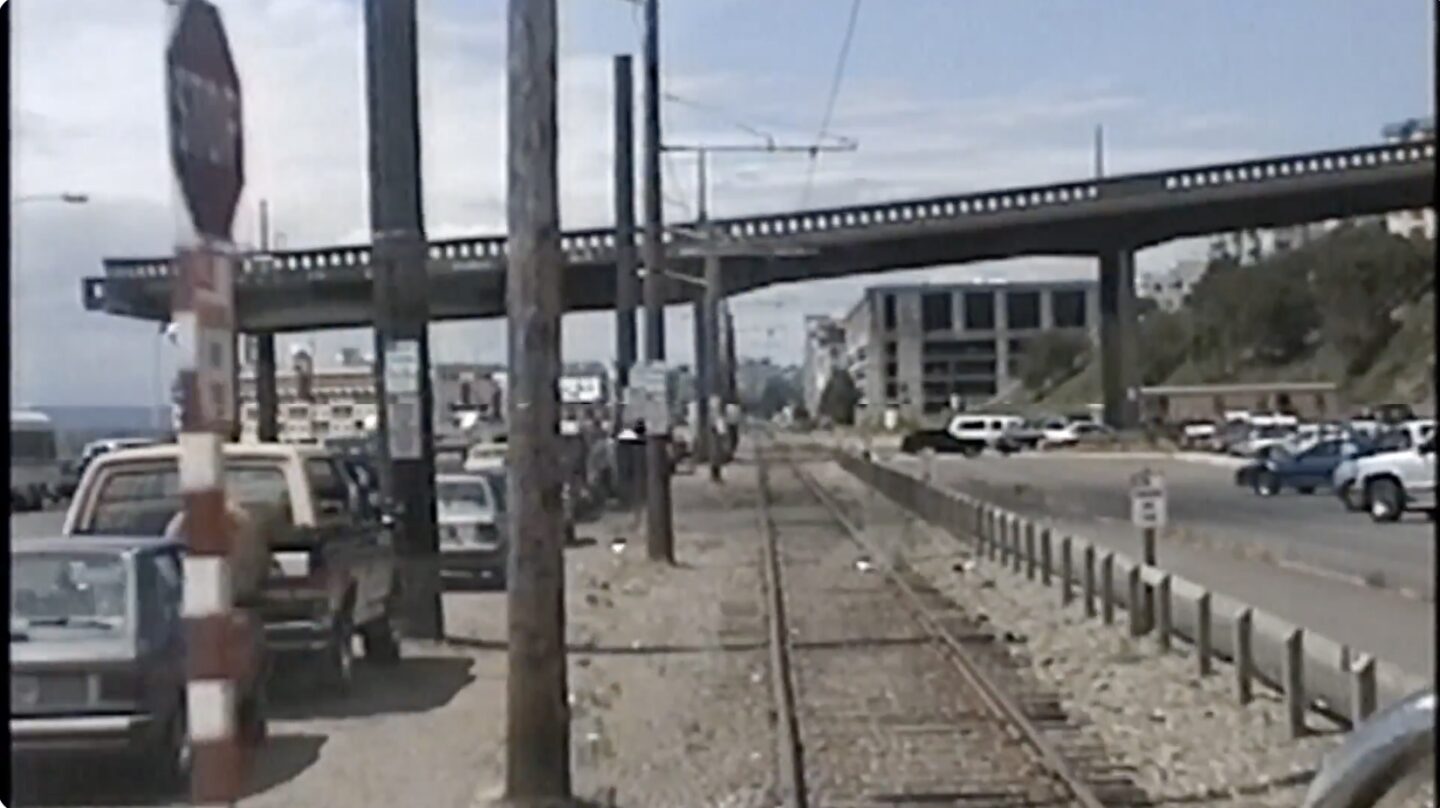
Lately, I’ve been digging through other worlds as I try to understand the mundane encounters people have had with the waterfront. One that I’ve been attached to was uploaded to YouTube in 2016 by a transit enthusiast who documented his family’s summer trip to the Pacific Northwest in July 1994. He continues his four part journey on our local George Benson Waterfront Street Car Line, giving an audio description of his long-awaited trip. It begins at Jackson Street and Fifth Avenue. He notes the W2-class Melbourne tram. In a meticulous yet monotonous cadence, he announces each section of the tram and the stops as they come and he certainly does not forget to mention the rubber comfort plate as he crosses over Third Street. The conductor operates the bell with a quick double trill as he chugs the tram north along the waterfront from Jackson Street to Broad Street, passing the whole gamut of the waterfront, from families enjoying the attractions to the industrial stretch beyond Pike Street. The video, or dare I say vlog, shows a candid picture of a waterfront in an awkward phase of life. The grain of the video softens the contrast and absorbs the otherwise sharp objects into a muddle. Cars are parked haphazardly, the Lenora Bridge to Nowhere abruptly ends over Alaskan Way and people are still itching to cross over each section of the train tracks.
As the man’s journey ends at Broad Street, kitty-corner to where mine started, I wonder about people’s experiences with crossing over the waterfront. Subconsciously, we’ve been thinking about the waterfront as a north and south story: Puget lobe glacier retreating north, Alaskan gold rush, Interstate 5, riding the tram, driving the Viaduct, walking along the water and window-shopping for curios. But if the historic name bestowed on the waterfront is Dzidzilalich, after the place name for a little crossing-over place, how do we turn our attention against the grain to reflect on stories that start on the waterfront and go into the city?